
Premium Custom Packaging
Creative Packaging.
Powerful Impressions.
Premium custom packaging solutions that elevate your brand and leave a lasting impact.
Premium QualityFinest Materials
Custom DesignsTailored for You
On-Time DeliveryAlways Reliable
SustainableEco-Friendly
Brands We Have Worked With


Our Packaging Solutions
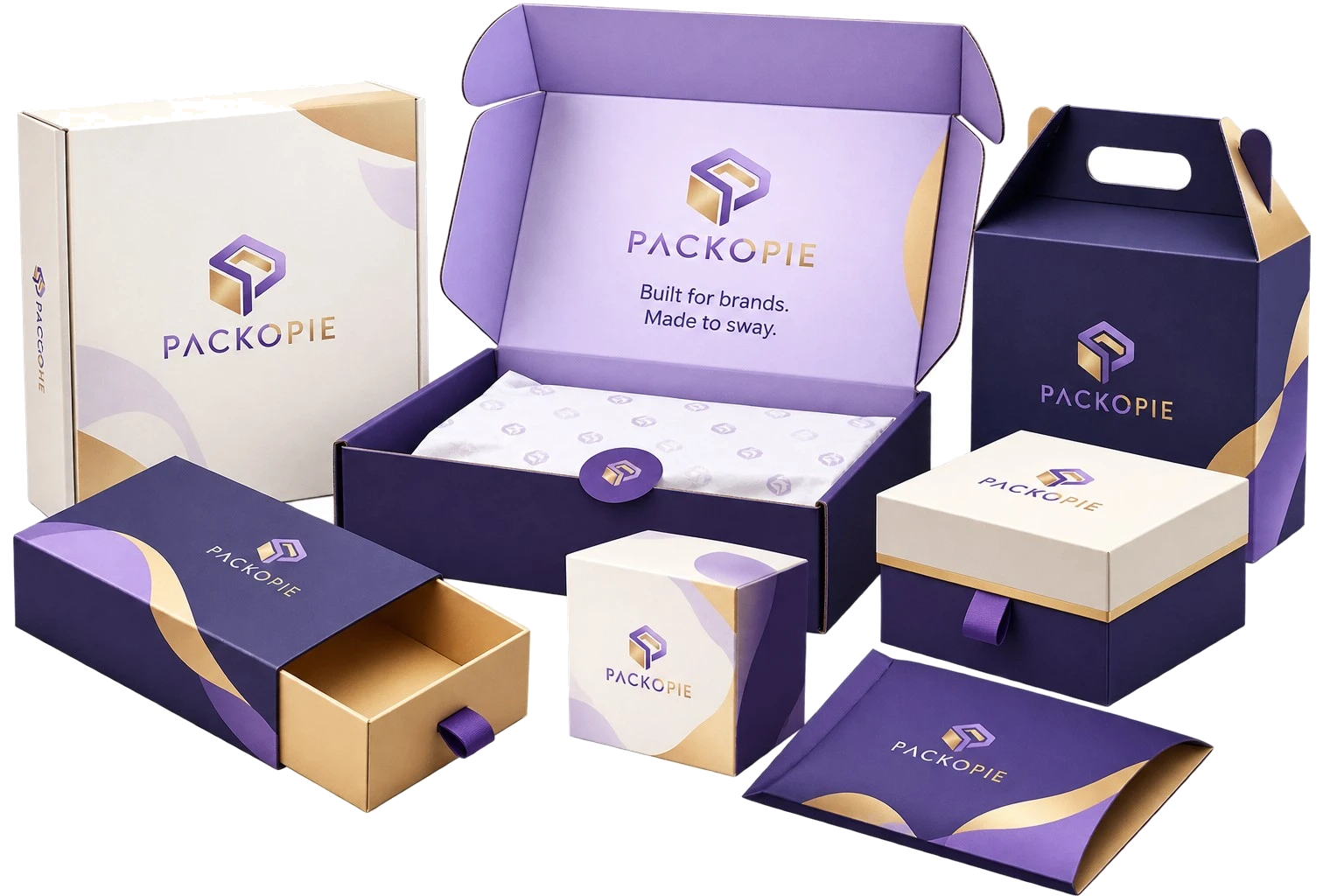
Built for Every Brand. Made to Impress.
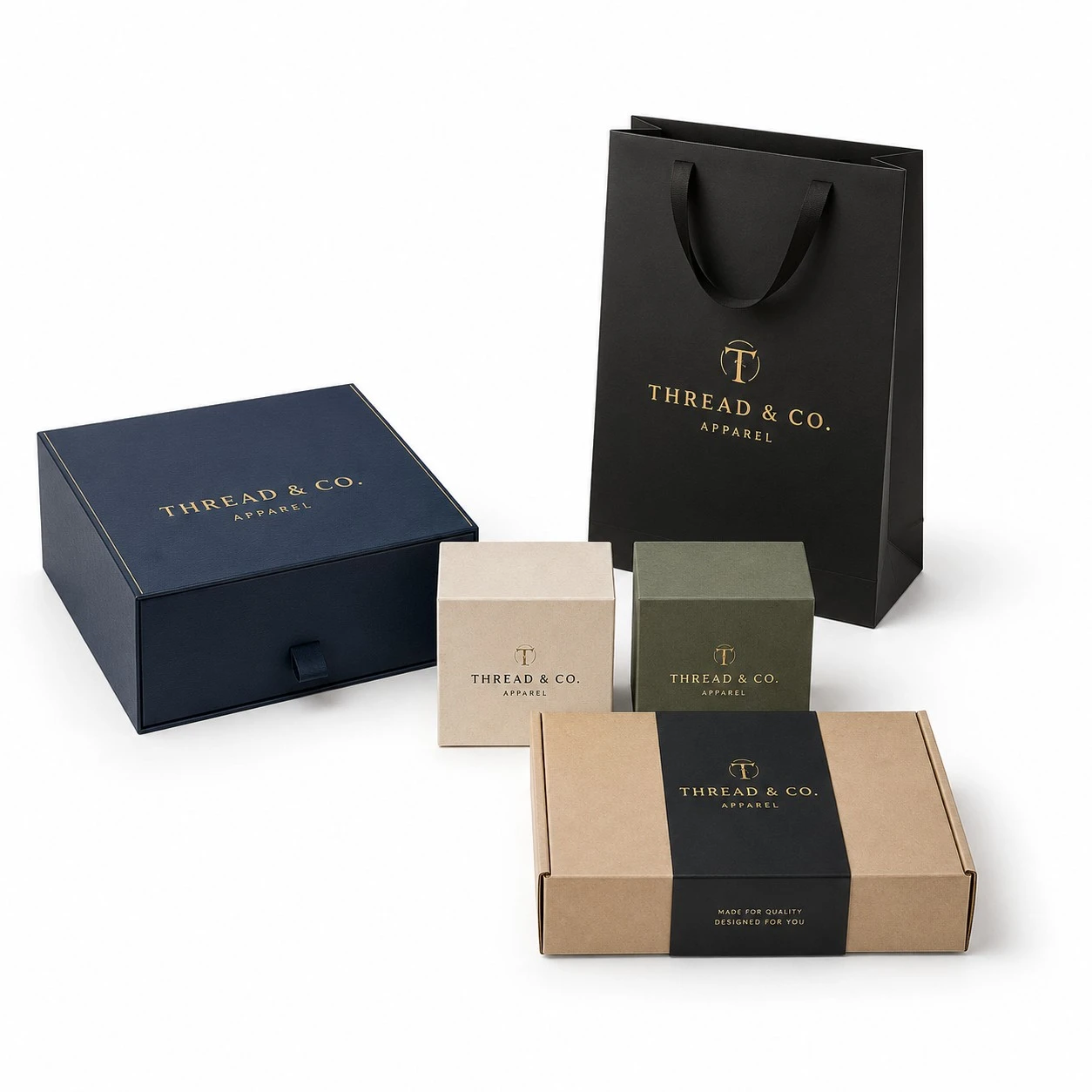
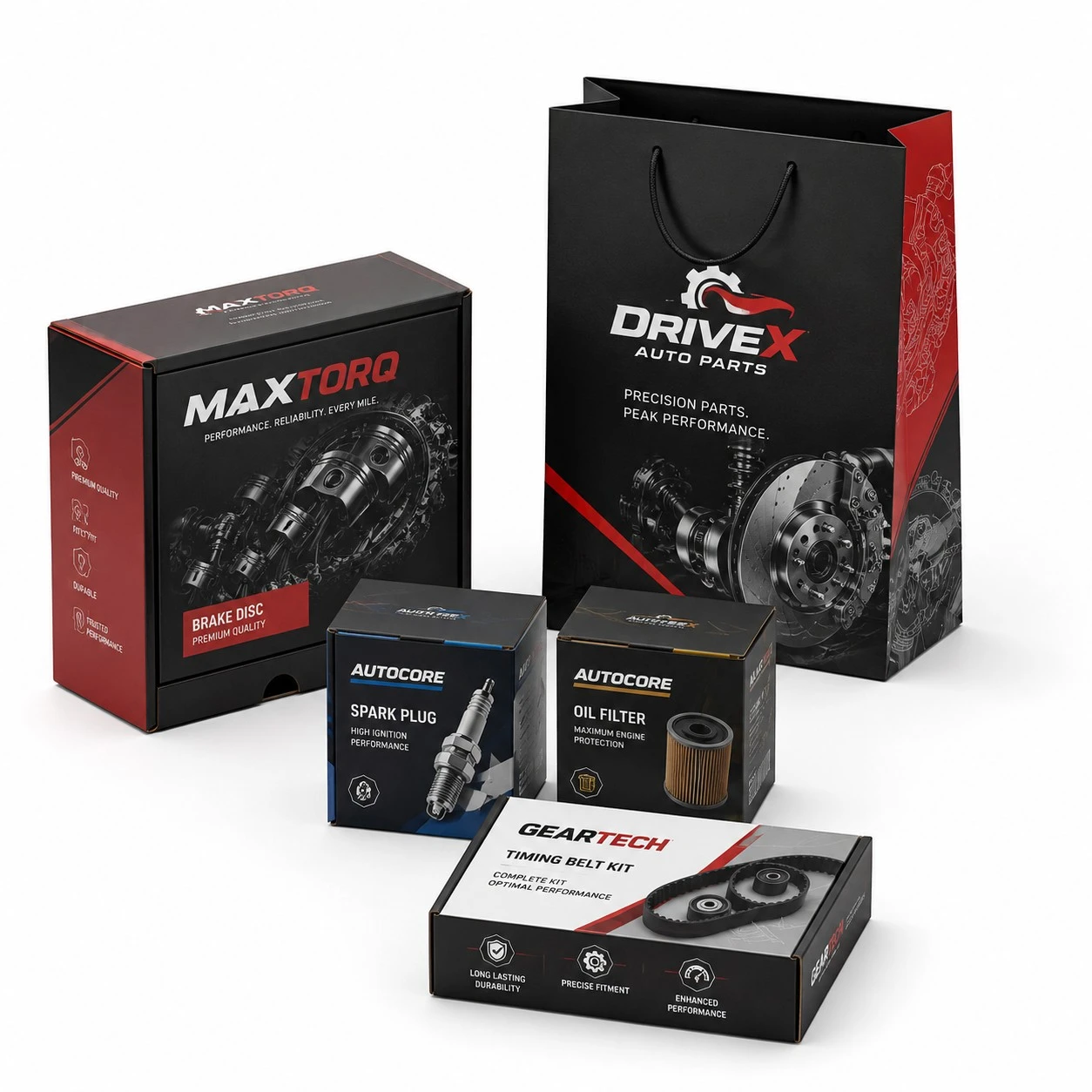
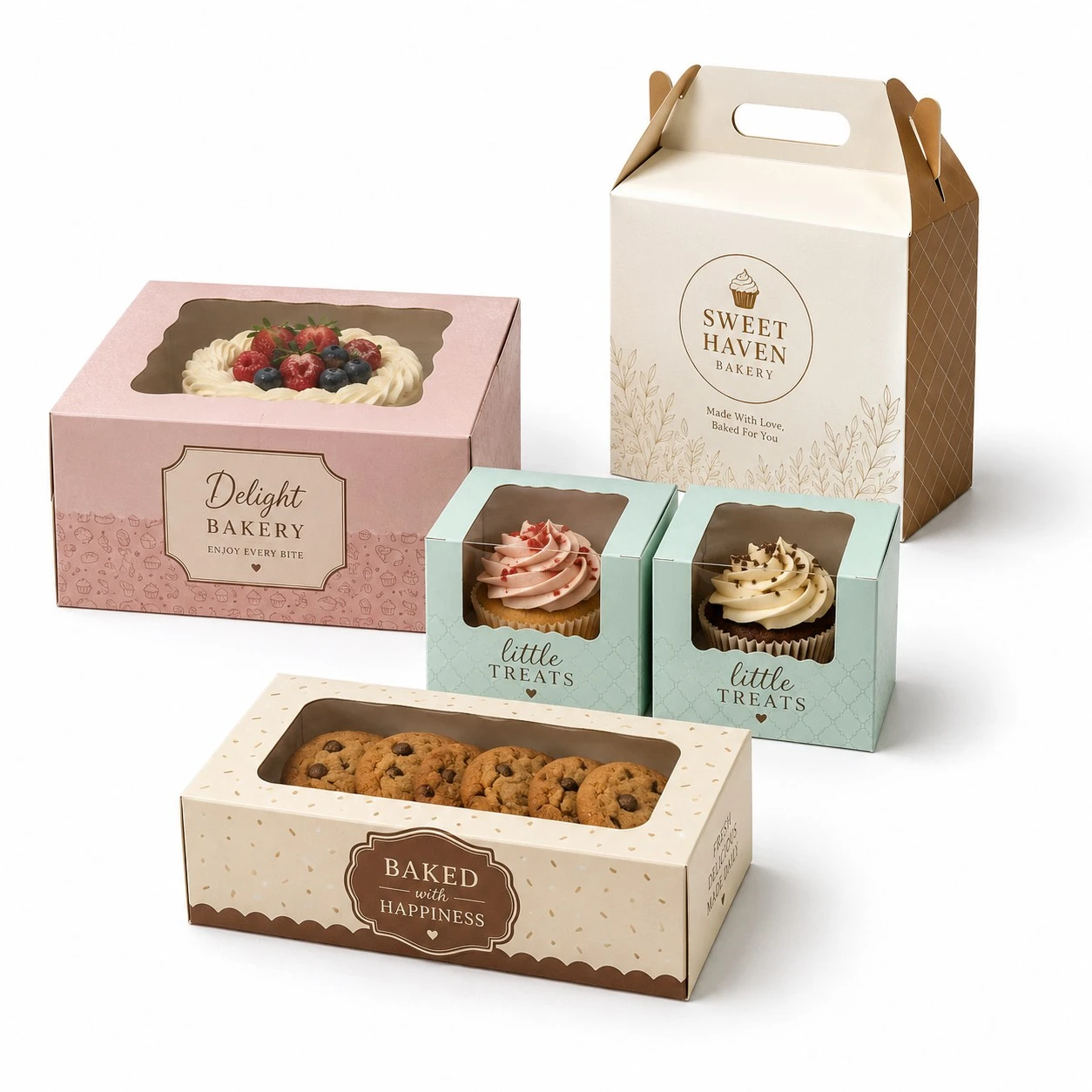
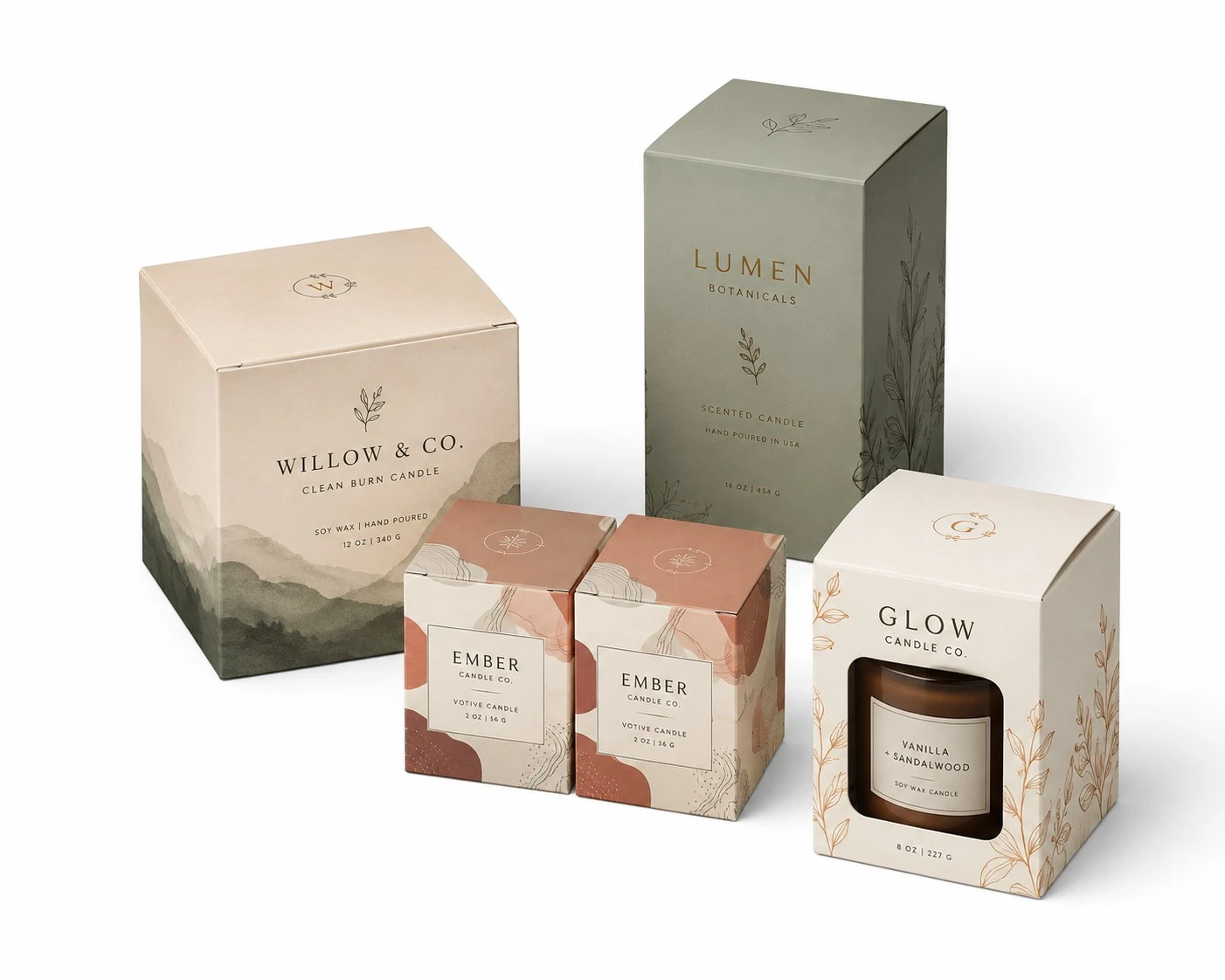
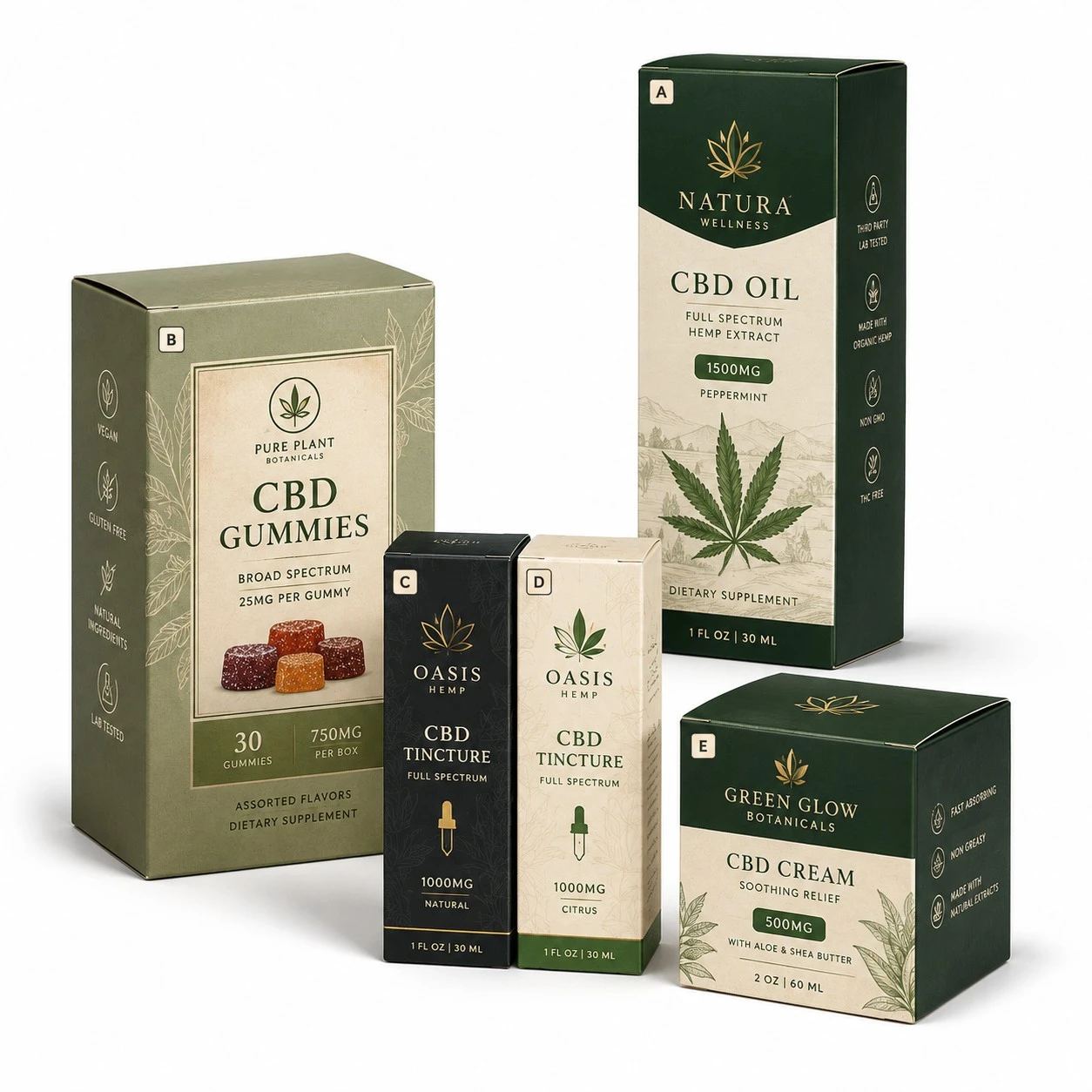
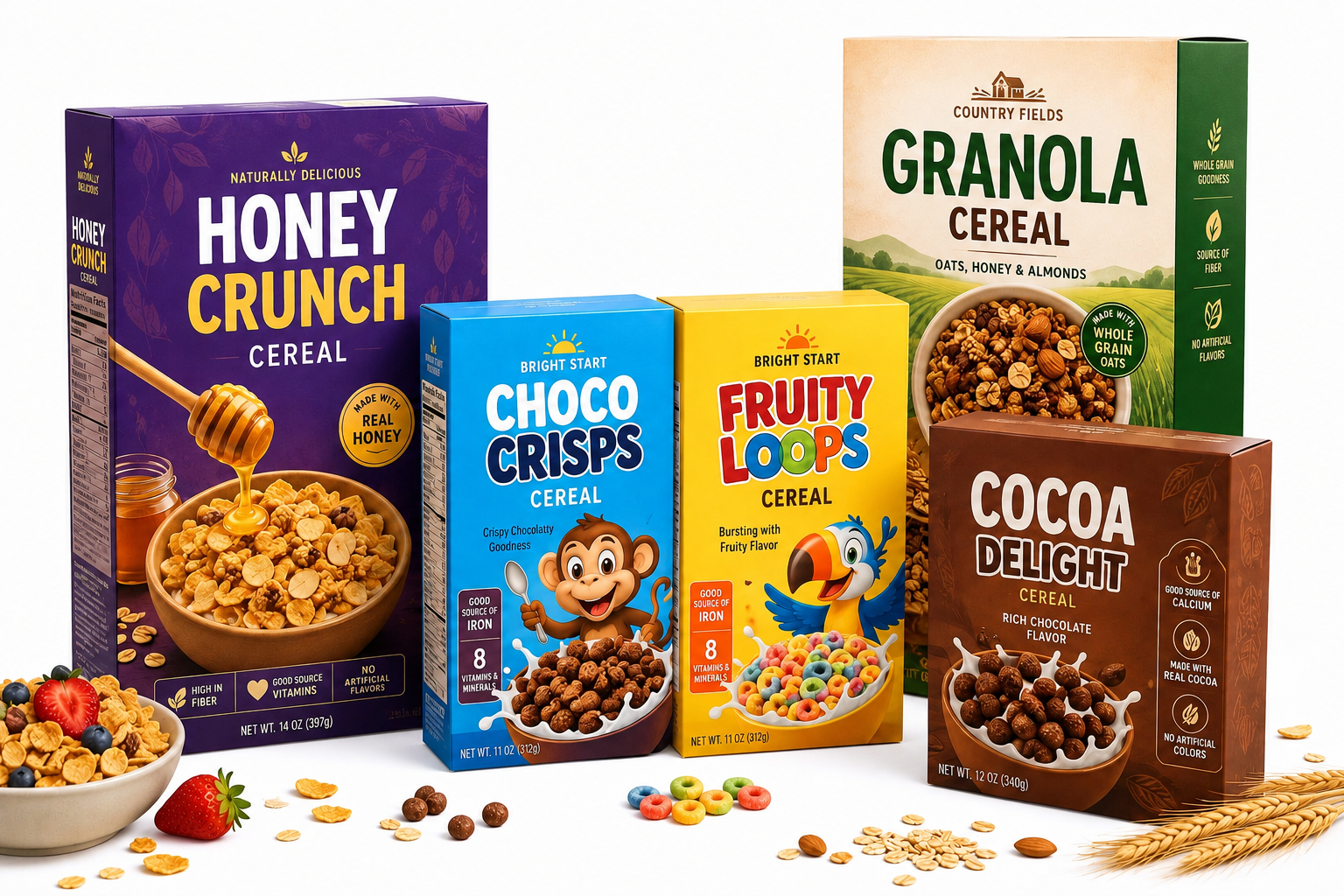
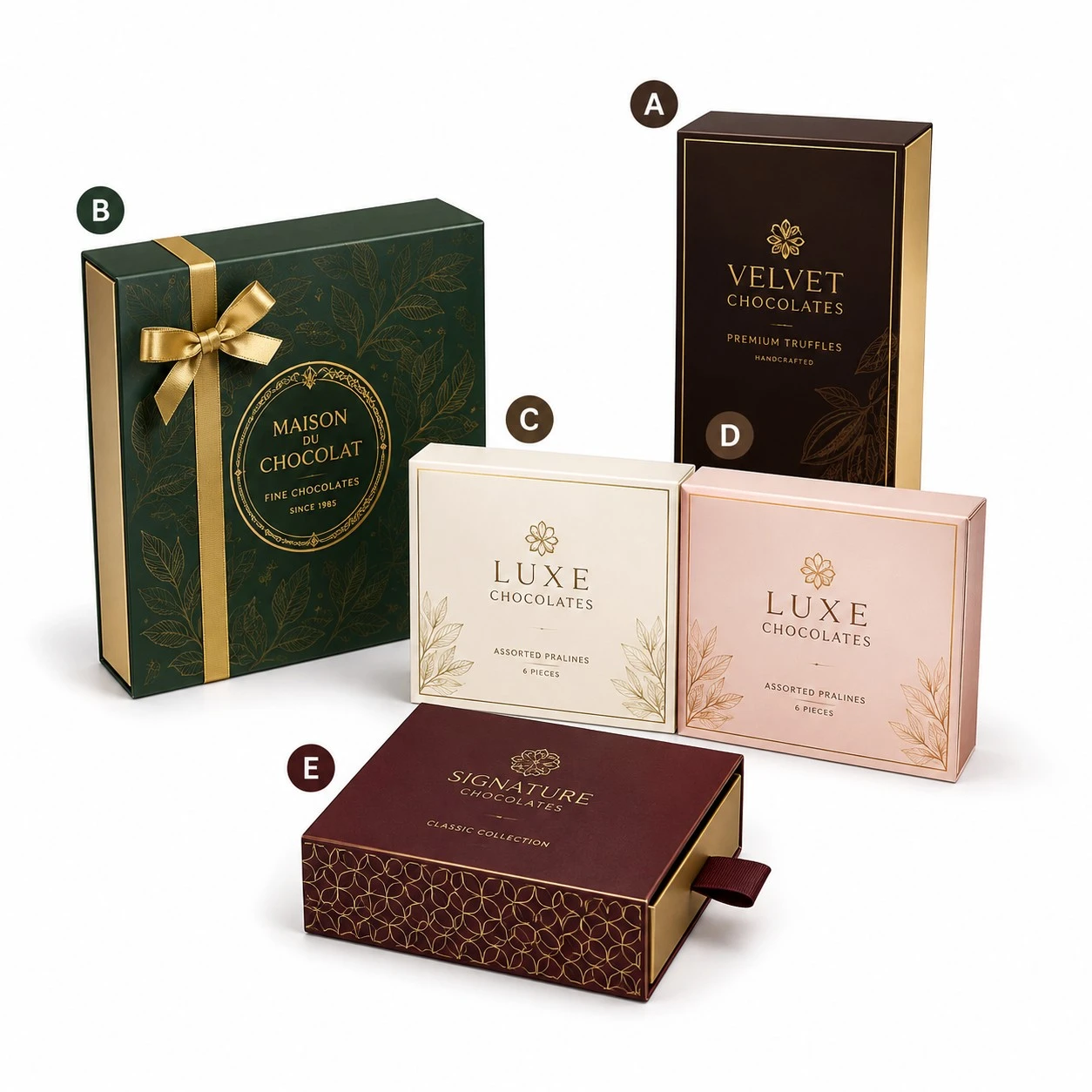
Built Around Your Brand
Packaging That Speaks Quality
From concept to creation, we craft packaging that protects your product, tells your story, and sets you apart from the competition.
Fully Customizable
Tailored designs, sizes, and finishes to match your brand perfectly.
Premium Materials
High-quality, durable materials for a luxurious look and feel.
End-to-End Solutions
Design, prototyping, production & delivery - all under one roof.
Sustainable Choices
Eco-friendly materials and processes for a better tomorrow.
Low Minimums
Flexible order quantities to support businesses of all sizes.
Our Process
Simple Steps. Exceptional Results.
1. Consult
Share your ideas and requirements with us.
2. Design
We create concepts tailored to your brand.
3. Prototype
Review and refine the design to perfection.
4. Produce
Precision manufacturing with quality assurance.
5. Deliver
On-time delivery, every time.
500+Happy Clients
Trusted by brands across industries.
2500+Projects Delivered
What Our Clients Say
Brands That Trust Us
“Packopie transformed our packaging into a brand experience. The quality and attention to detail are exceptional.”
LUXE
Rohan MehtaFounder, Luxe Skin
“Their team understood our vision perfectly and delivered packaging that truly represents our brand. Highly recommended!”
HERBIX
Ananya SharmaMarketing Head, Herbix
Custom Boxes Built Around Your Product, Brand, and Selling Needs
Custom boxes are made-to-order packaging built around your product dimensions, protection needs, brand design, and the way you sell. Packopie creates custom packaging boxes that can be shaped around the product instead of making the product work around a fixed package.
That means you can control the box size, structure, material, printing, colors, inserts, and finishes as part of one packaging project. A small retail carton, a corrugated mailer, and a premium rigid box solve different problems, but each starts with the same basic information: what goes inside, how it needs to be protected, how it reaches the buyer, and how you want the package to look.
Custom printed boxes also give your brand a physical place to communicate. Your logo, colors, product details, graphics, and inside printing can turn a shipping or retail package into branded packaging that feels connected to the product. Current U.S. custom-box pages consistently focus on product fit, materials, printing, finishes, order quantity, and production planning because these are the details buyers compare before choosing packaging.
Custom Box Styles Built for Different Packaging Jobs
The right custom box style depends on product weight, product size, shipping conditions, shelf presentation, and the opening experience you want to create.
Folding cartons use paperboard or cardstock that is cut, creased, printed, and folded into shape. They are a practical choice for many lightweight retail products where clean printing and shelf presentation matter. Common structures include straight tuck, reverse tuck, auto-bottom, sleeve, window, and other die-cut carton styles. Current packaging suppliers commonly position folding cartons for retail goods and lighter products rather than heavy shipping protection.
Corrugated boxes and mailer boxes add a fluted paper layer between linerboard. The Fibre Box Association defines corrugated board around two main parts: linerboard and a fluted medium. The flutes help add bending strength, cushioning, and compression resistance.
Rigid boxes use thicker board to create a more solid package. Two-piece lid-and-base boxes, magnetic closure boxes, and tray-and-sleeve boxes are common choices when the package is part of the product presentation.
A custom structure can also combine features such as locking tabs, windows, handles, trays, dividers, sleeves, or inserts. The useful choice is the one that solves the product's actual packing problem without adding parts that do not improve fit, protection, or presentation.
Packaging Materials Balance Strength, Print Quality, and Appearance
Material choice affects how a custom box protects the product, prints, folds, feels, ships, and looks in the customer's hands.
Cardstock and paperboard provide a smooth surface for folding cartons and detailed printed graphics. These materials work well when the box needs to stay lightweight while carrying brand colors, product information, and artwork clearly. SBS paperboard is one paperboard option commonly used where a bright printing surface is important.
Kraft paper gives custom boxes a natural brown paper appearance. Printing directly on kraft creates a different result from printing on a bright white sheet because the base color remains part of the design. White ink, simple graphics, and darker colors can be used when the goal is a clear branded look on the brown surface.
Corrugated board is more structural. The fluted medium creates space between linerboards and helps the board resist pressure. Flute choice also changes the balance between cushioning, thickness, and printing surface. The Fibre Box Association lists A, B, C, E, and F flute profiles and notes that larger flute profiles generally provide more cushioning and vertical compression strength, while smaller flutes can support finer graphics.
Rigid board creates thicker walls for presentation packaging. It fits products where the package is meant to feel substantial, such as gift sets, jewelry, beauty products, electronics, or other higher-value goods.
Paper-based packaging also gives brands several recycling pathways, but recyclability depends on the complete package and local collection rules. EPA data identifies corrugated boxes and paperboard packaging as major parts of the U.S. paper recycling stream. EPA reported a 96.5% recycling rate for corrugated boxes in its 2018 national dataset, while other paper packaging had different recovery rates.
For that reason, environmental claims work best when they describe the actual material and construction rather than making broad promises about every custom box.
Right-Sized Custom Boxes Improve Fit and Product Protection
Custom sizing gives packaging a closer relationship with the product inside. Length, width, height, product weight, orientation, and required clearance all affect the final box dimensions.
A box that is much larger than the product can create unused space and increase the need for extra fill. A box that is too tight can place pressure on the product or make packing difficult. The goal is enough room for the product, any required insert, and safe handling without unnecessary empty volume.
Research also supports the value of better box sizing. A 2022 study using simulated real shipment data found that changing existing box dimensions reduced shipment volume by 4.4%. Adding four more suitable box sizes increased that reduction to 10.3%. The study focused on shipping efficiency, but the basic lesson is useful for custom packaging: box dimensions have a direct effect on unused space.
The dieline turns those dimensions into a flat production layout. A packaging dieline marks the areas that are cut, folded, and joined and gives the artwork a map for each panel.
This is especially important for custom boxes with logo printing. A logo that looks centered on a flat design file can move close to a fold, seam, or edge after the box is assembled if the artwork is not planned on the correct dieline.
Inserts add another level of fit. Cardboard inserts can create compartments or supports. Dividers separate several products inside one box. Foam inserts can hold fragile or high-value products more closely. An insert can also control presentation by deciding exactly where the customer sees each item when the box opens.
Custom Printing Keeps Brand Design Consistent Across the Box
Printing turns the physical box into branded packaging. The right method depends on the material, quantity, artwork, color requirements, and the level of detail in the design.
Digital printing works without the same plate setup used by traditional offset processes and is commonly considered for projects where flexibility or lower production quantities matter. Offset printing is widely used for detailed graphics and controlled color reproduction on suitable materials and quantities. Flexographic printing is common on corrugated and kraft packaging, especially for straightforward graphics and larger production needs.
CMYK uses cyan, magenta, yellow, and black to create full-color printed artwork. Pantone or PMS colors can be specified when a project needs a particular spot color as part of the brand system.
Custom printing does not have to stop on the front panel. Depending on the box construction and print process, artwork can cover several exterior panels or continue inside the package. Inside printing can add patterns, color, short brand messages, product instructions, or other details that appear after the customer opens the box. Current custom packaging providers offer inside and outside printing on suitable box styles.
For a product line with several sizes, the design system can stay consistent while dimensions and structures change. The logo position, type style, color palette, and graphic treatment can connect a folding carton, mailer, and rigid box even when the physical packaging is different.
That gives custom product boxes a larger job than simply holding a product. They can make several SKUs look like parts of the same brand when they sit on a shelf, arrive at a customer's door, or appear together in a product set.
Finishes and Inserts Shape the Final Unboxing Experience
Finishes change selected areas of the surface after the main printing is planned. They can add shine, contrast, texture, or depth without filling the whole box with extra decoration.
Foil stamping places reflective foil on selected artwork. Embossing raises an element from the surface, while debossing presses the detail inward. Spot UV creates a glossy area that can contrast with a less reflective surface. Matte, gloss, and soft-touch laminations change the overall surface appearance and feel. These are common finishing options across current custom-box providers.
The best finish depends on the material and design. A logo may only need a small foil detail. A dark rigid box may use embossing to create depth without adding another printed color. A bright folding carton may rely mainly on full-color graphics instead of several added finishes.
Structure also affects the unboxing experience. A magnetic closure changes how a rigid box opens. A tray and sleeve creates a sliding reveal. A fitted insert presents the product in a fixed position. Inside printing adds another branded surface after the lid or flap opens.
These details make more sense when they serve the product. Adding every available finish can increase cost and production steps without making the packaging clearer. A focused design often gives the logo, product, and material more room to work together.
Custom Packaging Supports Retail, E-Commerce, and Product Launches
Selling environment changes what a box needs to do.
Retail packaging often puts more weight on print quality, shelf presentation, product information, and efficient use of space. Folding cartons and other lightweight custom product boxes work well for many products that sit inside a larger shipping system before reaching the store.
E-commerce packaging has a different path. The outer package may travel through fulfillment, sorting, stacking, and doorstep delivery. Corrugated mailers and shipping boxes are designed around that type of handling. Corrugated flutes and linerboard give these structures the strength and cushioning that paperboard cartons alone do not provide.
Subscription packaging combines shipping with repeat presentation. The box needs to protect several products while giving customers a consistent experience each time they open an order. Dividers, printed interiors, sleeves, and inserts can help organize products inside the package.
Product launches create another set of needs. A new brand may be testing dimensions, artwork, or a first packaging design. An established business may be preparing several SKUs at once. In both cases, samples, mockups, proofs, dielines, and clear product measurements can reduce uncertainty before the full production run.
Gift and premium packaging shifts more attention toward presentation. Rigid boxes, two-piece structures, tray-and-sleeve boxes, inserts, foil, embossing, and soft-touch surfaces can all support that goal when they fit the product and brand.
The same principle connects every use case: custom packaging works best when structure follows the real path of the product.
Custom Box Pricing, MOQ, and Turnaround Depend on the Same Specs
There is no single price, minimum order quantity, or production time that fits every custom box project.
Current U.S. packaging suppliers show wide differences in minimums and turnaround because printing method, structure, material, and production setup change from one project to another. For example, some current suppliers advertise minimums of 50 units, while others start common custom-box projects at 100 units. Production timelines also change by supplier, structure, proof approval, quantity, and shipping method.
The same factors affect price. Box dimensions determine how much material is used. Material type and board thickness affect the basic structure. Printing coverage, number of colors, special finishes, inserts, and assembly add production steps. Quantity affects how setup costs are spread across the order. Current custom packaging pricing guides consistently identify size, material, structure, printing, finishes, and quantity as major cost drivers.
This is why custom boxes wholesale pricing is best compared using the same specification. A low unit price for a plain corrugated mailer cannot be compared directly with a rigid magnetic box using foil and a fitted insert.
Samples and proofs also serve different purposes. A structural sample can help check size and fit. A printed sample can help review artwork, color, and finishing. A digital or 3D mockup can help review the design before production, but it does not replace every physical check when fit or material feel is important.
Packopie can use your project details to narrow these choices before pricing is finalized. That keeps the quote connected to the box you actually need rather than a rough package that changes later.
Build Your Custom Boxes From a Clear Packaging Brief
A clear packaging brief gives Packopie the information needed to turn your idea into a practical custom box.
The most useful starting details are:
Share product dimensions and weight so the box and insert can be planned around the item.
Share your required quantity so the production approach can match the size of the run.
Choose a general box direction such as folding carton, corrugated mailer, shipping box, or rigid box.
Provide your logo and artwork so printing, colors, and panel placement can be reviewed on the dieline.
Explain shipping, inserts, and finish needs so protection and presentation can be planned together.
You do not have to know every packaging term before starting. Product measurements, quantity, artwork, and the way the product is sold provide enough context to begin narrowing the structure and material.
From there, decisions become easier. A lightweight retail product may point toward cardstock. A product shipping directly to customers may need corrugated protection. A premium gift may call for rigid board and a fitted insert. The final choice comes from matching the material, box structure, printing, and finish to one clear packaging job.
That is the purpose of custom boxes: to create packaging around the product instead of treating the box as an afterthought. Packopie brings those choices into one made-to-order project, from custom dimensions and dielines to branded printing and finishing.
When your dimensions, artwork, quantity, and packaging goals are ready, those details give Packopie a clear base for discussing materials, production options, and custom pricing. The result is custom packaging built around how your product needs to be protected, presented, shipped, and sold.
Frequently Asked Questions
Minimum order quantity depends on the box style, size, material, printing method, and order details. Share your required quantity to get the right production option for your custom boxes.
Yes. Custom boxes can be made around your product dimensions, shape, and packing needs. A custom dieline can be prepared to guide the box structure and artwork placement.
Custom boxes can use cardstock, kraft paper, corrugated board, or rigid board. The best material depends on product weight, shipping protection, shelf presentation, and the type of unboxing experience you want.
Custom boxes can support full-color printing and selected brand colors, along with finishes such as foil stamping, embossing, debossing, Spot UV, matte lamination, gloss lamination, and soft-touch finishes.
Turnaround depends on the box structure, quantity, material, printing, finishes, and final artwork approval. Your project details are reviewed before production so the expected schedule can be confirmed.
Design support and sampling options can be planned around your project requirements. Providing your box size, artwork, material preference, and quantity helps determine the right proof or sample approach.
✦ Upgrade Today
Ready to Upgrade Your Brand Packaging?
Get custom templates matching your custom dimensions. Instant 3D digital proof samples returned in hours.